Risk Factors of Heart Attack
Risk Factors of Heart Attack
Risk Factors of Heart Attack
A heart attack (myocardial infarction) occurs when blood flow to part of the heart muscle becomes severely reduced or completely blocked, most commonly because a cholesterol-containing plaque in a coronary artery ruptures and a blood clot forms over it. The likelihood of developing coronary artery disease and subsequently having a heart attack depends on a combination of modifiable, non-modifiable, metabolic, lifestyle and genetic risk factors.
Understanding these factors is important because many heart attacks can be prevented or their risk substantially reduced through early identification and appropriate management. The American Heart Association identifies smoking, high blood pressure, unhealthy cholesterol, diabetes, excess body weight, physical inactivity and several other conditions as important cardiovascular risk factors. (www.heart.org)
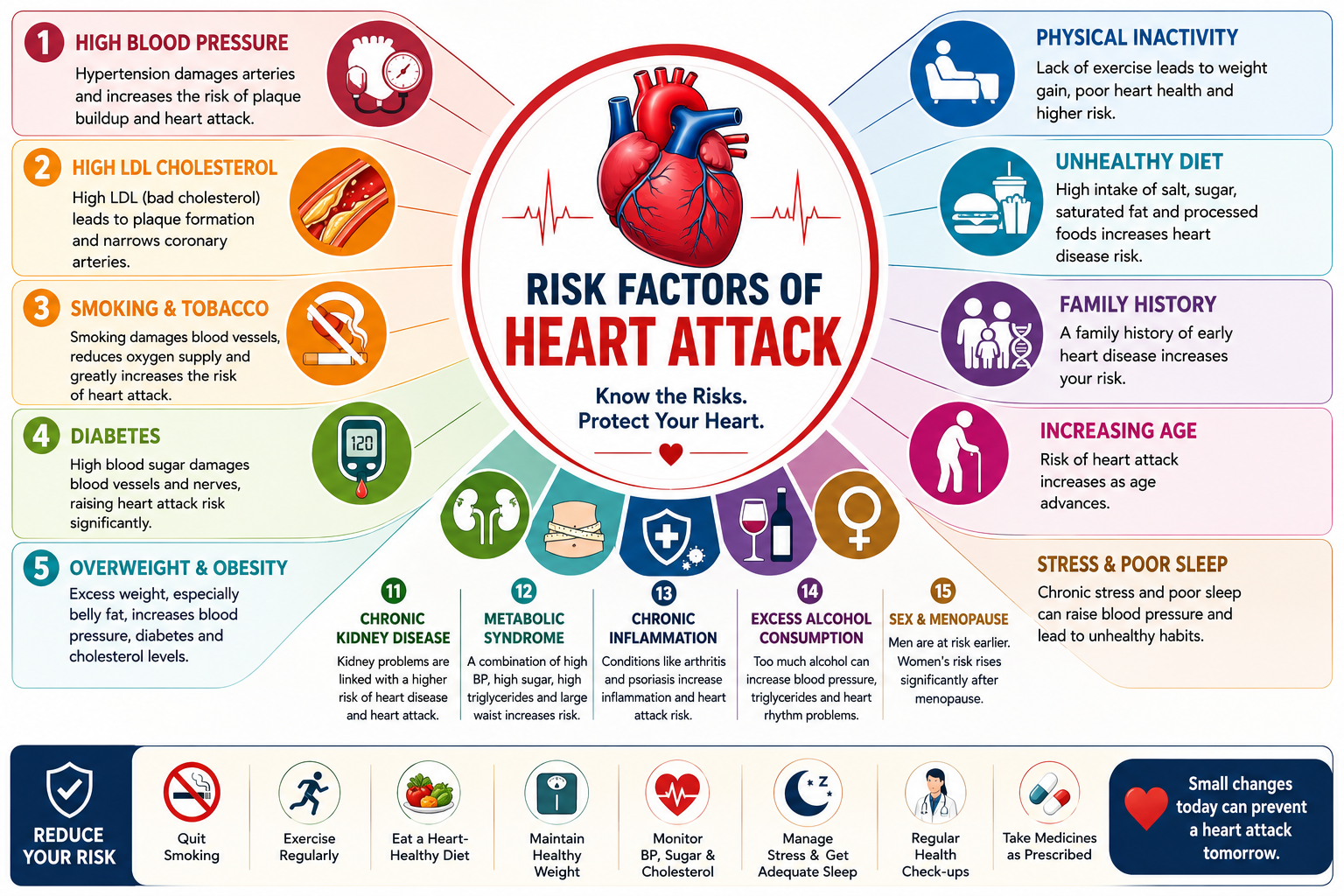
1. High Blood Pressure
Hypertension is one of the most important modifiable risk factors for heart attack. Persistently elevated blood pressure damages the inner lining of arteries and increases mechanical stress on arterial walls. Over time, this promotes atherosclerosis and makes coronary arteries more vulnerable to plaque formation and rupture.
High blood pressure frequently occurs together with obesity, diabetes and abnormal cholesterol, creating a particularly high-risk combination. The 2025 ACC/AHA hypertension guideline emphasizes early detection and management of elevated blood pressure to reduce cardiovascular complications. (professional.heart.org)
Regular blood-pressure measurement, reduced sodium intake, physical activity, healthy weight and prescribed medication when indicated are important components of prevention.
2. High LDL Cholesterol
Low-density lipoprotein cholesterol (LDL-C) plays a central role in atherosclerosis. Excess LDL particles can enter the arterial wall, become modified and contribute to plaque development.
The risk is influenced not only by the current LDL level but also by the duration of exposure to elevated LDL cholesterol. Therefore, identifying and treating elevated LDL earlier can reduce cumulative cardiovascular risk. Current cholesterol guidance emphasizes lifestyle modification and appropriate lipid-lowering therapy according to an individual’s overall cardiovascular risk. (American Heart Association)
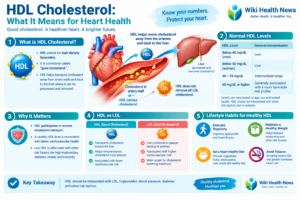
Other lipid abnormalities, including elevated triglycerides and low HDL cholesterol, may also accompany an increased cardiovascular-risk profile.
3. Smoking and Tobacco Exposure
Smoking is a major preventable cause of heart attack. Tobacco smoke damages blood vessels, promotes inflammation, increases oxidative stress and makes blood more prone to clotting. Nicotine can also increase heart rate and blood pressure.
Smoking becomes particularly dangerous when combined with hypertension, diabetes or high cholesterol. Even people who do not smoke can be affected by secondhand smoke exposure. (www.heart.org)
Stopping tobacco use is one of the most effective steps a person can take to lower cardiovascular risk. Avoiding all tobacco products, rather than simply reducing cigarette consumption, is preferable.
4. Diabetes and High Blood Sugar
Diabetes significantly increases the risk of cardiovascular disease and heart attack. Persistently elevated blood glucose contributes to endothelial dysfunction, inflammation and accelerated atherosclerosis.
People with diabetes may also have associated hypertension, obesity, abnormal cholesterol and kidney disease, which can further increase risk.
Good diabetes management includes appropriate nutrition, physical activity, weight management, regular monitoring and medications when prescribed.
5. Overweight and Obesity
Excess body weight, particularly abdominal or visceral fat, is associated with insulin resistance, hypertension, abnormal lipid levels and chronic inflammation.
Obesity therefore often acts as a central driver connecting several cardiovascular risk factors. Reducing excess body weight can improve blood pressure, blood glucose and lipid levels. Even modest, sustained weight loss can produce meaningful improvements in cardiometabolic health. (www.heart.org)
Waist circumference, body mass index and other measures can help assess excess adiposity, although cardiovascular risk should not be determined by weight alone.
6. Physical Inactivity
A sedentary lifestyle increases cardiovascular risk and contributes to obesity, hypertension, diabetes and unfavorable lipid levels.
Regular physical activity improves cardiovascular fitness and can help control blood pressure, glucose, body weight and cholesterol. For many adults, the AHA recommends aiming for at least 150 minutes of moderate-intensity activity per week or 75 minutes of vigorous activity, when medically appropriate. (www.heart.org)
People who have been inactive should generally increase activity gradually, especially if they have known cardiovascular disease or symptoms during exertion.
7. Unhealthy Diet
Diet has a major influence on cardiovascular risk. Diets high in saturated fat, trans fat, excess sodium, refined carbohydrates, added sugars and highly processed foods can contribute to obesity, hypertension, diabetes and abnormal lipid levels.
A heart-healthy eating pattern should emphasize:
- Vegetables and fruits
- Whole grains
- Pulses, beans and legumes
- Nuts and seeds
- Fish and lean protein
- Healthy unsaturated fats
- Appropriate portion sizes
Reducing excess salt is particularly important for people with hypertension.
8. Family History and Genetic Factors
A person with a family history of premature coronary artery disease or heart attack may have a higher risk even when lifestyle habits are healthy.
Inherited conditions such as familial hypercholesterolemia can produce very high LDL cholesterol from an early age and substantially increase lifetime cardiovascular risk.
Family history should therefore be considered during cardiovascular risk assessment rather than relying solely on present-day cholesterol or blood-pressure measurements. (www.heart.org)
9. Increasing Age
The risk of coronary artery disease generally increases with age because atherosclerosis is a cumulative process. However, heart attacks are not exclusively a disease of older adults.
Younger individuals can also experience myocardial infarction, particularly when multiple risk factors such as smoking, diabetes, severe cholesterol abnormalities, obesity or genetic predisposition are present.
Age is non-modifiable, but controlling modifiable risk factors becomes increasingly important as a person gets older.
10. Sex and Menopause
Men generally develop coronary artery disease at a younger age than women. However, cardiovascular risk in women increases substantially after menopause.
Women may also have specific cardiovascular risk-enhancing factors, including a history of preeclampsia or pregnancy-related hypertension and premature menopause. These factors should be included in a comprehensive cardiovascular assessment. (www.heart.org)
11. Chronic Kidney Disease
Chronic kidney disease is associated with increased cardiovascular risk. Kidney dysfunction can coexist with hypertension, diabetes, inflammation and abnormalities in mineral metabolism and lipids.
Patients with chronic kidney disease therefore require careful management of cardiovascular risk factors, particularly blood pressure, diabetes and cholesterol.
12. Metabolic Syndrome
Metabolic syndrome refers to a cluster of cardiovascular risk factors, typically including abdominal obesity, elevated blood pressure, elevated blood glucose, high triglycerides and low HDL cholesterol.
Having several of these abnormalities together increases cardiovascular risk more than having an isolated abnormality.
The overlap between obesity, diabetes, kidney disease and cardiovascular disease is increasingly recognized as cardiovascular-kidney-metabolic (CKM) health, making integrated risk assessment particularly important. (American Heart Association)
13. Chronic Inflammation and Other Conditions
Some chronic inflammatory conditions, including rheumatoid arthritis and psoriasis, are associated with increased cardiovascular risk. Persistent systemic inflammation may contribute to endothelial dysfunction and atherosclerotic plaque development.
Other risk-enhancing factors may include elevated triglycerides, certain laboratory abnormalities and a history of vascular disease. (www.heart.org)
14. Stress and Poor Sleep
Chronic psychological stress may indirectly increase cardiovascular risk through elevated sympathetic activity, poor sleep, unhealthy eating, physical inactivity, smoking and difficulty maintaining medications or other healthy behaviors.
Poor or irregular sleep has also been associated with unfavorable cardiovascular risk factors, including abnormal cholesterol and metabolic health. The AHA recommends prioritizing adequate, consistent sleep as part of cardiovascular prevention. (www.heart.org)
15. Excess Alcohol Consumption
Excessive alcohol intake can contribute to hypertension, obesity, abnormal heart rhythms and other cardiovascular problems. Alcohol should not be started as a strategy to protect the heart.
For individuals who drink, discussing alcohol intake with a healthcare professional can help determine an appropriate approach based on overall health and cardiovascular risk.
How Can Heart-Attack Risk Be Reduced?
Heart-attack prevention is most effective when multiple risk factors are addressed together. Important measures include:
- Stop smoking and avoid tobacco exposure.
- Check and control blood pressure.
- Know your cholesterol levels, particularly LDL-C.
- Detect and manage diabetes.
- Maintain a healthy body weight and waist circumference.
- Exercise regularly.
- Follow a heart-healthy diet.
- Get adequate, regular sleep.
- Take prescribed cardiovascular medications consistently.
- Know your family history of premature heart disease.
- Manage chronic kidney and inflammatory diseases.
- Have periodic cardiovascular-risk assessments when appropriate.
The AHA emphasizes that prevention should be individualized according to a person’s age, medical history, family history, lifestyle and overall cardiovascular risk. (www.heart.org)
Conclusion
A heart attack usually results from the interaction of several risk factors rather than one isolated cause. Smoking, hypertension, high LDL cholesterol, diabetes, obesity, physical inactivity and unhealthy diet are among the most important modifiable contributors. Family history, age, sex and genetic conditions cannot be changed, but their impact can often be reduced by aggressively controlling the factors that can be modified.
The key principle is early prevention. Knowing your blood pressure, cholesterol, blood glucose, weight and family history provides an important foundation for assessing cardiovascular risk. Appropriate lifestyle changes, regular medical evaluation and medication when indicated can substantially reduce the likelihood of a future heart attack.
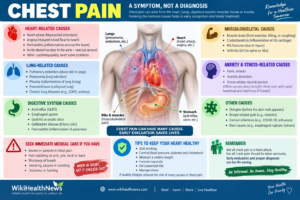
Seek emergency medical attention immediately for symptoms suggestive of a heart attack, such as new or severe chest pressure or pain, breathlessness, cold sweating, nausea, faintness, or pain spreading to the arm, back, neck or jaw.
A heart attack, or myocardial infarction (MI), occurs when blood flow to part of the heart muscle is blocked, usually due to a blood clot forming on a ruptured atherosclerotic plaque. The likelihood of developing a heart attack is strongly influenced by certain risk factors. These can be broadly divided into modifiable, non-modifiable, and emerging risk factors. Understanding them is vital for both prevention and treatment strategies.
Major Modifiable Risk Factors
(these can be improved with lifestyle changes or treatment)
- Hypertension (High blood pressure) – damages arterial walls, accelerates atherosclerosis.
- Diabetes mellitus – increases atherosclerosis risk, causes endothelial dysfunction.
- Dyslipidemia (High cholesterol) – elevated LDL, low HDL, high triglycerides.
- Cigarette smoking – accelerates atherosclerosis, promotes thrombosis, reduces oxygen delivery.
- Obesity (especially central/abdominal obesity) – linked to metabolic syndrome.
- Physical inactivity (sedentary lifestyle) – lowers cardiovascular fitness, worsens lipid/glucose control.
- Unhealthy diet – high in saturated fat, trans fat, salt, and refined sugars.
- Excessive alcohol intake – raises BP, triglycerides, arrhythmia risk.
- Psychosocial stress & depression – associated with sympathetic activation and poor lifestyle adherence.
Non-Modifiable Risk Factors
(these cannot be changed, but increase baseline risk)
- Age – risk rises sharply after:
- Men: >45 years
- Women: >55 years (or post-menopausal)
- Sex – men have higher risk earlier; women catch up after menopause.
- Family history of premature coronary artery disease (CAD)
- MI or sudden death <55 years in a male first-degree relative
- <65 years in a female first-degree relative
- Genetic predispositions – e.g., familial hypercholesterolemia.
Emerging / Novel Risk Factors
(under research but clinically relevant)
- Elevated Lipoprotein(a) [Lp(a)]
- Elevated high-sensitivity C-reactive protein (hs-CRP) (marker of inflammation)
- Hyperhomocysteinemia
- Chronic kidney disease
- Sleep disorders (obstructive sleep apnea, poor sleep quality)
- Air pollution exposure
✅ Key Point: The more risk factors a person has, the higher the chance of a heart attack. Control of modifiable risks (BP, sugar, cholesterol, smoking, diet, exercise) significantly lowers risk.
1. Major Modifiable Risk Factors
These are lifestyle or health-related factors that can be improved with medical treatment or behavior changes.
a. Hypertension
High blood pressure is one of the strongest risk factors for heart disease. Persistent hypertension damages arterial walls, accelerates the buildup of fatty plaques, and increases the heart’s workload, predisposing to myocardial infarction.
b. Diabetes Mellitus
Diabetes contributes to coronary artery disease by promoting atherosclerosis, oxidative stress, and endothelial dysfunction. Diabetic patients are at significantly higher risk of heart attack, and their outcomes after MI tend to be worse.
c. Dyslipidemia
Abnormal cholesterol levels play a central role in plaque formation. Elevated low-density lipoprotein (LDL) is particularly harmful, while high-density lipoprotein (HDL) protects against plaque buildup. High triglycerides also increase risk.
d. Smoking
Cigarette smoking is a powerful modifiable risk factor. It promotes plaque buildup, increases clotting tendency, reduces oxygen delivery, and causes vasospasm. Smokers are two to three times more likely to suffer an MI compared to non-smokers.
e. Obesity and Metabolic Syndrome
Excess weight, especially abdominal obesity, is linked to insulin resistance, dyslipidemia, and hypertension—together called metabolic syndrome. This cluster of factors greatly amplifies MI risk.
f. Physical Inactivity
A sedentary lifestyle reduces cardiovascular fitness, worsens lipid profiles, and contributes to obesity. Regular exercise improves circulation, lowers blood pressure, and helps maintain healthy weight and glucose levels.
g. Unhealthy Diet
Diets high in saturated fats, trans fats, refined sugars, and excessive salt contribute to obesity, high cholesterol, and hypertension. Conversely, diets rich in fruits, vegetables, whole grains, and omega-3 fatty acids reduce cardiovascular risk.
h. Excessive Alcohol Intake
Moderate alcohol consumption may offer some cardiovascular benefit, but excessive intake raises blood pressure, increases triglycerides, and predisposes to arrhythmias, all of which heighten MI risk.
i. Stress and Mental Health
Chronic stress, anxiety, and depression are increasingly recognized as contributors to heart disease. Stress can increase blood pressure, promote unhealthy behaviors, and activate inflammatory pathways.
2. Non-Modifiable Risk Factors
These cannot be changed but remain important in assessing baseline cardiovascular risk.
a. Age
The risk of heart attack rises with age. Men over 45 years and women over 55 years (or post-menopausal women) face increased risk due to vascular aging and hormonal influences.
b. Sex
Men generally develop heart disease earlier than women, though after menopause women’s risk accelerates and eventually becomes comparable to that of men.
c. Family History
A family history of premature coronary artery disease significantly raises risk. Heart attack or sudden cardiac death in a first-degree male relative before age 55 or female relative before age 65 indicates strong genetic susceptibility.
d. Genetic Factors
Inherited disorders like familial hypercholesterolemia can cause extremely high cholesterol from a young age, leading to early and aggressive coronary artery disease.
3. Emerging and Novel Risk Factors
Recent research highlights additional contributors:
- Lipoprotein(a) [Lp(a)]: A genetic cholesterol variant linked to premature atherosclerosis.
- High-sensitivity C-reactive protein (hs-CRP): Marker of systemic inflammation associated with plaque instability.
- Homocysteine levels: Elevated levels may damage blood vessels and promote clotting.
- Chronic Kidney Disease: Impairs vascular health and increases calcification risk.
- Sleep Disorders (Obstructive Sleep Apnea): Associated with intermittent hypoxia, hypertension, and metabolic disturbances.
- Air Pollution: Long-term exposure increases risk of coronary disease and acute MI.
Conclusion
The development of a heart attack is almost never due to a single factor but rather the cumulative effect of multiple risks. While age, sex, and genetics are beyond human control, the majority of modifiable factors—hypertension, diabetes, cholesterol, smoking, diet, obesity, and inactivity—can be managed. Preventive strategies focusing on lifestyle modification, early detection, and medical therapy have the power to dramatically reduce the global burden of myocardial infarction.