Heart attack in young individuals
A heart attack in young individuals (often defined as under 40–45 years) is uncommon but rising, especially in India and other South Asian countries. It’s a big public-health concern now.
Here’s a clear, practical breakdown 👇
Why are heart attacks happening in young people?
1. Lifestyle-related causes (most common)
- 🚬 Smoking / vaping (even “social smoking”)
- 🍔 Junk food, trans fats, sugary drinks
- 🪑 Sedentary lifestyle
- 😴 Poor sleep & night-shift work
- 🧠 Chronic stress, anxiety, long work hours
These lead to early plaque formation in arteries (premature atherosclerosis).
2. Metabolic problems
- High cholesterol (especially low HDL, high LDL)
- Diabetes / Prediabetes
- Obesity & abdominal fat
- High blood pressure
⚠️ Many young people have silent metabolic issues and don’t know it.
3. Genetic & inherited factors
- Family history of:
- Heart attack before 55 (men) or 65 (women)
- Genetic lipid disorders (e.g., familial hypercholesterolemia)
4. Drug & substance use
- Cocaine, amphetamines
- Anabolic steroids
- Excessive energy drinks
- Alcohol bingeing
5. Unusual causes (more common in the young)
- Coronary artery spasm
- Spontaneous coronary artery dissection (SCAD) – especially in young women
- Blood clotting disorders
- Inflammatory diseases (lupus, vasculitis)
- Post-viral inflammation (rare but reported)
Warning signs in young people (often ignored 🚨)
Young patients often dismiss symptoms, causing dangerous delays.
Common symptoms:
- Chest pain, pressure, or heaviness
- Pain radiating to left arm, jaw, back
- Shortness of breath
- Cold sweating
- Nausea, vomiting
- Sudden fatigue or dizziness
Atypical symptoms (especially in women):
- Jaw or neck pain only
- Indigestion-like discomfort
- Extreme tiredness
- Anxiety-like symptoms
👉 Any chest discomfort lasting >15 minutes = emergency
Why heart attacks in the young are especially dangerous?
- People delay hospital visit (“I’m too young for a heart attack”)
- Often more severe single-vessel blockage
- Sudden cardiac death risk
- Long-term impact on career, mental health, family life
How can young people prevent heart attacks?
Start early — even in your 20s
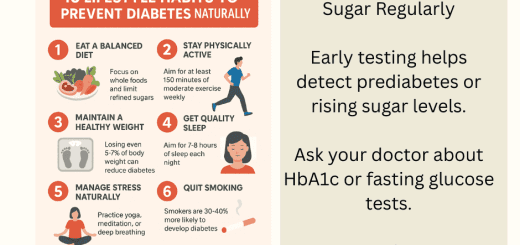
- 🏃 Exercise at least 150 min/week
- 🥗 Eat more fruits, vegetables, whole grains
- 🚭 Quit smoking completely
- 😴 Sleep 7–8 hours
- 🧘 Manage stress (yoga, meditation, therapy)
Medical checks (very important in India 🇮🇳)
- Blood pressure
- Lipid profile
- Blood sugar / HbA1c
- Waist circumference
- ECG if symptoms or strong family history
When should a young person get tested?
✔ Family history of early heart disease
✔ Smoker / obese / diabetic
✔ Persistent stress or sedentary job
✔ Any chest discomfort or breathlessness
📊 Prevalence of Heart Attacks Among the Young
- In India, about 25% of heart attacks occur in people under 40 years of age.
- Around 50% of all heart attacks in Indians happen in people under 50 years, showing that heart attacks are not just a disease of the elderly.
- Indians tend to develop heart attacks about 5–10 years earlier than in many Western populations.
🧠 Silent or Atypical Heart Attacks
- A significant proportion of heart attacks in younger Indians may be “silent,” meaning they occur without classic warning signs like strong chest pain, leading to missed or delayed diagnosis.
📈 Trend & Risk Pattern
- Patterns from hospital data and case reports suggest a rising trend of acute cardiac events in adults under 40–45 over recent years, driven largely by lifestyle risk factors and metabolic diseases (like diabetes and high cholesterol).
- A regional study found that up to 20% of young heart-attack patients had no traditional risk factors (like smoking or hypertension), highlighting that unexpected risk profiles are increasingly seen in younger adults.
⚠️ Comparative Insight
- While globally 6–10% of heart attacks occur in people under 40, in India the proportion is higher than Western averages, reflecting unique genetic, metabolic, and lifestyle influences.
📌 Why These Numbers Matter
- Heart attacks in young people are much more common in India than in many other parts of the world.
- Young victims may not show obvious symptoms or may attribute them to stress or indigestion, causing delays in seeking medical care.
- The trend highlights a shift in cardiovascular disease burden toward younger age groups, with major implications for public health, productivity, and long-term societal impact.
If you’d like, I can also provide state-wise data for India, age-specific mortality stats, or risk factor breakdown (diet, smoking, diabetes) specific to young adults. Just let me know what focus you want!
Difference between heart attack in young vs old
Here’s a clear, side-by-side comparison of heart attack in young vs older individuals, with points that matter clinically and for public awareness 👇
❤️ Heart Attack: Young vs Old
| Aspect | Young Individuals (≤40–45 yrs) | Older Individuals (≥60 yrs) |
|---|---|---|
| Frequency | Less common but rapidly increasing | Very common |
| Main cause | Sudden blockage, plaque rupture, spasm, clot | Long-standing atherosclerosis |
| Risk factors | Smoking, stress, obesity, genetics, drugs | Diabetes, BP, cholesterol, age |
| Number of arteries involved | Usually single-vessel disease | Often multi-vessel disease |
| Plaque type | Soft, unstable plaque → sudden rupture | Hard, calcified plaque |
| Symptoms | Often atypical or ignored | More classic chest pain |
| Delay in seeking care | Common (“too young for heart attack”) | Less delay |
| Severity at onset | Can be sudden & severe | Gradual progression |
| Complications | Sudden cardiac death, arrhythmia | Heart failure, recurrent MI |
| Recovery potential | Better heart muscle recovery | Limited recovery |
| Psychological impact | High (fear, anxiety, depression) | Lower acceptance but less shock |
| Long-term burden | Decades of medication & lifestyle change | Shorter disease course |
🔍 Key Differences Explained Simply
1. Cause
- Young: Sudden event (plaque rupture, spasm, clot)
- Old: Slow buildup of blockages over decades
👉 That’s why young people can look “fit” but still have a heart attack.
2. Symptoms
- Young:
- Indigestion-like pain
- Jaw/neck pain
- Anxiety or extreme fatigue
- Old:
- Classic crushing chest pain
- Breathlessness
⚠️ Atypical symptoms → dangerous delays in young patients.
3. Risk Factors
- Young:
- Smoking (major trigger)
- Stress & sleep deprivation
- Family history
- Substance use
- Old:
- Diabetes
- Hypertension
- Long-standing cholesterol issues
4. Outcomes
- Young:
- Higher chance of survival
- Better heart function recovery
- But greater emotional & economic impact
- Old:
- Higher complication rate
- More heart failure
- Slower recovery
5. Treatment Differences
- Young:
- Aggressive early intervention
- Strong focus on lifestyle correction
- Long-term prevention critical
- Old:
- Balance between benefit and comorbidities
- Polypharmacy concerns
🇮🇳 Why this difference is especially important in India
- Indians develop heart disease 5–10 years earlier
- High rates of:
- Central obesity
- Diabetes
- Low HDL cholesterol
- Young earners → major family & societal impact
🧠 Key Takeaway
Heart attack in the young is often sudden, unexpected, and preventable.
In the elderly, it is usually the end result of long-standing disease.
Here’s a fact-based overview of how COVID-19 can affect heart attack risk after infection — clear, practical, and grounded in recent research:
🧠 Does COVID-19 increase the risk of a heart attack later?
Yes — studies show that having had COVID-19 is linked with a higher risk of heart attack and other cardiovascular problems even after recovery. This includes people without prior heart disease.
📊 What research has found
📌 Long-term elevated risk
- Large follow-up studies (e.g., UK Biobank data) indicate that people who had COVID-19 have an increased risk of heart attack, stroke, and death for up to ~3 years after infection compared with people who were never infected.
- This elevated risk can be comparable to major risk factors like type 2 diabetes or peripheral artery disease, especially in those hospitalized for COVID-19.
📌 Severity matters
- People hospitalized with COVID-19 showed a much higher long-term risk (up to ~4× higher) of future cardiovascular events than those who never had COVID.
- Even those with milder COVID-19 still tend to show elevated risk compared with uninfected individuals.
📌 Timeline of risk
- Risk can be elevated within weeks to months after illness and may persist for a year or more.
- Some studies suggest an increased risk can extend up to 2–3 years, especially for those infected early in the pandemic when vaccines were not available.
🧬 Why does this happen?
COVID-19 can affect the heart and blood vessels in several ways:
🔥 Inflammation
- The virus triggers body-wide inflammation, which can:
- damage the heart muscle
- destabilize atherosclerotic plaques (fatty buildups in arteries)
- promote blood clot formation
This combination raises heart attack risk.
🩸 Clotting changes
- COVID-19 can increase blood clotting (thrombosis), making blockages in coronary arteries more likely — a direct mechanism for heart attacks.
🩺 Who is at highest risk?
Your post-COVID heart attack risk is higher if you had:
- Severe acute COVID-19
- Hospitalization
- Existing risk factors (diabetes, high blood pressure, obesity)
- Long COVID symptoms (ongoing inflammation)
But even young, previously healthy individuals can have elevated risk compared with uninfected people.
🧠 What this doesn’t mean
- Not everyone who had COVID will have a heart attack — the increase in risk is relative, not absolute.
- Heart attacks after COVID are rare in people with strong overall health and no risk factors, but they are measurably more common than in people who never had the infection.
🩹 How to protect your heart after COVID
Even after recovery, especially if you had moderate/severe infection:
✔ Watch for symptoms — chest pain, shortness of breath, palpitations
✔ Regular checkups — heart health screening
✔ Manage risk factors — control BP, blood sugar, cholesterol
✔ Stay active, eat heart-healthy, avoid smoking
📌 Bottom line
COVID-19 is associated with a higher risk of heart attack and other cardiovascular events in the months to years after infection, likely due to inflammation and effects on blood vessels. This risk is most pronounced in those with severe COVID-19 but is detectable even in people with mild disease.
Here’s a simple, practical diet & exercise plan to prevent heart attacks—especially relevant for young and middle-aged adults in India. No extremes, no fads 👍
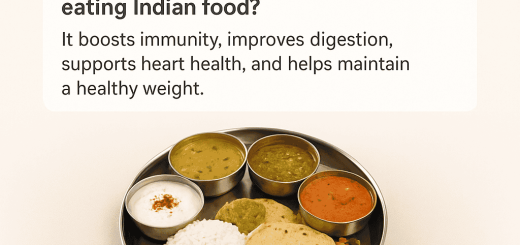
🥗 HEART-FRIENDLY DIET (Indian context)
🟢 Daily basics
- Vegetables: 3–4 portions/day (sabzi, salad, leafy greens)
- Fruits: 2/day (apple, guava, papaya, berries, citrus)
- Whole grains: roti (atta), brown rice, millets (ragi, jowar)
- Protein (every meal):
- Dal, chana, rajma
- Eggs (1/day is fine for most)
- Fish (2–3×/week)
- Paneer/tofu (low-fat)
🟡 Fats: choose wisely
- Use mustard oil / groundnut oil / rice bran oil
- Limit oil to 3–4 tsp/day total
- Add nuts (5–6 almonds or walnuts/day)
- Avoid:
- Vanaspati, bakery items
- Reused oil
- Deep-fried snacks
🔴 Reduce / avoid
- Sugar, sweets, desserts
- Refined carbs (white bread, maida)
- Packaged snacks & fast food
- Sugary drinks & energy drinks
- Excess salt (≤1 tsp/day)
🍽 Sample Indian day plan
Morning:
- Warm water + fruit
- 5 almonds or 2 walnuts
Breakfast:
- Vegetable poha / oats / 2 idli + sambar / egg omelette
Lunch:
- 2 rotis or small bowl rice
- Dal/curd + sabzi + salad
Evening:
- Roasted chana / fruit / buttermilk
Dinner (early & light):
- Roti + sabzi + protein
- Avoid heavy carbs at night
🏃 EXERCISE PLAN (Heart-safe & realistic)
🟢 Weekly target (WHO-recommended)
- 150 minutes/week of moderate exercise
or - 75 minutes/week of vigorous exercise
🏃 Cardio (most important)
- Brisk walking
- Cycling
- Swimming
- Jogging
- Skipping
👉 30 minutes/day, 5 days/week
💪 Strength training (2–3 days/week)
- Squats
- Lunges
- Push-ups (wall or floor)
- Resistance bands or light weights
👉 Improves insulin sensitivity & cholesterol
🧘 Flexibility & stress control
- Yoga (Surya Namaskar, Pranayama)
- Stretching
- Meditation / breathing
👉 Stress is a major hidden heart risk in young Indians
⏱ Daily movement rules (very important)
- Stand or walk every 30–45 minutes
- Aim for 7,000–10,000 steps/day
- Take stairs when possible
🚭 LIFESTYLE NON-NEGOTIABLES
- Quit smoking completely (no “occasionally”)
- Sleep 7–8 hours
- Limit alcohol (or avoid)
- Maintain waist:
- Men: <90 cm
- Women: <80 cm
🩺 How often to check health markers
- BP: every 6 months
- Lipid profile: yearly
- Blood sugar/HbA1c: yearly
- Weight & waist: monthly
🧠 Golden rule
Consistency beats intensity.
A simple plan done daily is better than a perfect plan done occasionally.
🧠 First: the mindset shift (this matters)
A heart attack in your 20s–40s is a life reset, not life over.
People who strictly follow lifestyle + medicines after a heart attack often live just as long as those who never had one.
💊 1. Medicines: non-negotiable
- Take all prescribed medicines daily, lifelong unless your cardiologist stops them:
- Antiplatelets (e.g., aspirin, clopidogrel)
- Statins (cholesterol control)
- BP / heart-rate medicines
- Never stop on your own, even if you feel “normal”
- Set phone reminders if needed
⚠️ Most repeat heart attacks in young people happen due to medication discontinuation.
🥗 2. Diet after a heart attack (long-term)
Think Mediterranean-style Indian diet.
What to eat more of
- Vegetables (half your plate)
- Fruits (2/day)
- Whole grains (atta roti, millets)
- Dal, beans, curd
- Fish (2–3×/week)
- Nuts (small handful/day)
What to strictly limit
- Fried food, bakery items
- Sugar, sweets, soft drinks
- Red meat
- Reused oil
- Late-night heavy meals
👉 Oil limit: ~3 tsp/day total
👉 Salt: ≤1 tsp/day
🏃 3. Exercise: safe progression
Never rush. Build slowly.
Phase 1: First 4–6 weeks
- Walking only
- Start with 10–15 min → increase gradually
- No gym, no heavy lifting
Phase 2: After doctor clearance
- 30–45 min brisk walking / cycling
- Light strength training
- Yoga, stretching
🎯 Goal: 150 min/week cardio
⚠️ Stop exercise and seek help if:
- Chest pain
- Severe breathlessness
- Dizziness or palpitations
🚭 4. Smoking & substances: zero tolerance
- No smoking. No vaping. No “just one.”
- Avoid:
- Steroids
- Cocaine / recreational drugs
- Energy drinks
- Alcohol: best avoided; if allowed → very limited
This is the single most powerful life-saving change.
😴 5. Sleep & stress control
Young survivors often relapse due to stress.
- Sleep 7–8 hours
- Fixed sleep–wake time
- Daily stress outlet:
- Walking
- Yoga
- Meditation
- Therapy if anxiety persists
🧠 Post-heart-attack anxiety is common and treatable—don’t ignore it.
💼 6. Work, sex & daily life
- Work: return gradually; avoid extreme hours initially
- Sex: usually safe after 3–4 weeks if you can climb 2 flights of stairs comfortably
- Travel: fine after stabilization; keep medicines handy
🩺 7. Follow-up & monitoring
- Cardiologist visit: every 3–6 months
- Regular checks:
- BP
- Cholesterol
- Blood sugar
- Weight & waist size
- Cardiac rehab (if available): highly recommended
❤️ 8. Family & genetics
- Inform close relatives
- Encourage family members to get:
- Lipid profile
- BP & sugar checked
- Genetic risk = shared prevention
🧠 Key truth for young survivors
Your heart attack happened early — so your prevention also starts early.
That gives you an advantage, not a disadvantage.
With discipline, most young survivors:
✔ return to work
✔ exercise normally
✔ have a normal sex life
✔ live long, active lives
❤️ 100 FAQs: Heart Attack in Young Individuals
🧠 Basics (1–10)
- What is a heart attack?
- Who is considered “young” for heart attacks?
- Can people in their 20s or 30s really have heart attacks?
- Is heart attack in the young common in India?
- Are heart attacks in young people increasing?
- Why do Indians get heart attacks at a younger age?
- Is a heart attack the same as cardiac arrest?
- Can a healthy-looking person have a heart attack?
- Is heart attack in young people always fatal?
- Can women have heart attacks at a young age?
📊 Risk Factors (11–25)
- What are the main causes of heart attack in young adults?
- How important is smoking as a risk factor?
- Can stress alone cause a heart attack?
- Does lack of exercise increase risk?
- Can obesity cause heart attack in young people?
- Is family history important?
- What genetic conditions increase risk?
- Can diabetes cause early heart attacks?
- Is high cholesterol dangerous in young age?
- Can high blood pressure affect young adults?
- Do energy drinks increase heart attack risk?
- Can alcohol cause heart attacks?
- Do drugs like cocaine or steroids cause heart attacks?
- Can COVID-19 increase heart attack risk?
- Can heart attacks occur without any risk factors?
🚨 Symptoms & Warning Signs (26–40)
- What are the common symptoms of heart attack in young people?
- Are symptoms different in young vs old patients?
- Can heart attack pain be mild?
- Can heart attack feel like gas or acidity?
- Are symptoms different in women?
- Can jaw or neck pain be a heart attack sign?
- Is left arm pain always present?
- Can breathlessness be the only symptom?
- What are “silent” heart attacks?
- Why do young people ignore symptoms?
- How long does heart attack pain last?
- Can anxiety mimic a heart attack?
- When should chest pain be treated as an emergency?
- Can heart attack happen during sleep?
- Can heart attack occur during exercise?
🏥 Diagnosis & Tests (41–55)
- How is heart attack diagnosed?
- Is ECG always abnormal in young heart attack patients?
- What blood tests confirm heart attack?
- What is troponin?
- Is echocardiography required?
- What is coronary angiography?
- Can CT angiography detect heart attack risk?
- Are stress tests useful in young people?
- Can heart attack be missed in the emergency room?
- How quickly should diagnosis be made?
- Can heart attack be misdiagnosed as acidity?
- Is genetic testing useful?
- Do young patients need more tests than older ones?
- Can heart attack occur with normal cholesterol?
- Can heart attack occur with normal ECG?
💉 Treatment & Hospital Care (56–70)
- How is heart attack treated initially?
- What is angioplasty?
- Do young patients usually need stents?
- Are stents permanent?
- Can heart attack be treated without surgery?
- What is thrombolysis?
- Is bypass surgery common in young patients?
- How long is hospital stay after heart attack?
- Are outcomes better in young patients?
- Can heart muscle recover fully?
- What complications can occur after heart attack?
- Is sudden cardiac death common in young people?
- Are treatment protocols different for young patients?
- Can young patients return to normal life?
- Is cardiac rehabilitation necessary?
🧘 Lifestyle & Recovery (71–85)
- How soon can young patients resume walking?
- When can exercise be restarted?
- Can young heart-attack survivors go to the gym?
- What type of diet is recommended?
- Is complete oil-free diet required?
- Can eggs be eaten after heart attack?
- Is vegetarian diet better than non-vegetarian?
- Can alcohol be consumed after recovery?
- Is smoking ever allowed again?
- How important is sleep after heart attack?
- Can stress trigger another heart attack?
- Is yoga useful for heart patients?
- Can meditation reduce recurrence risk?
- How much weight loss is ideal?
- How often should follow-up be done?
💊 Medicines, Sex, Work & Long-term Care (86–100)
- How long should heart medicines be taken?
- Is lifelong medication necessary?
- What happens if medicines are stopped?
- Do statins damage the liver or muscles?
- Can young patients plan pregnancy after heart attack?
- Is sex safe after a heart attack?
- When can work be resumed?
- Can night-shift work continue?
- Can heart attack recur at a young age?
- What is the long-term prognosis?
- Can heart attack be completely prevented?
- Should family members be screened?
- Can young survivors live a normal lifespan?
- How can recurrence be prevented?
- What is the most important message for young people?